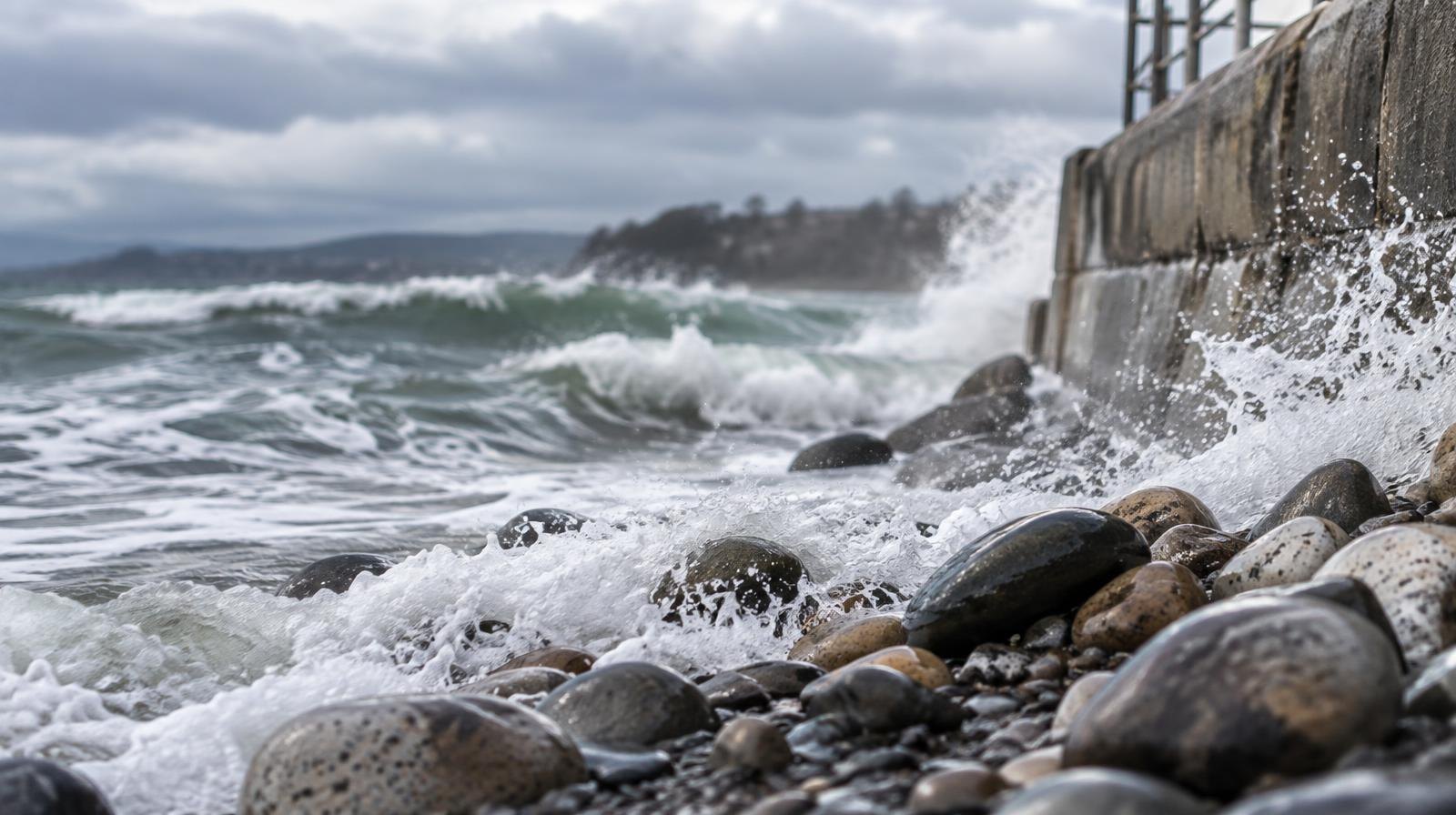
Tamarack Beach looks nothing like it did a year ago. Pebbles and rocks have replaced sand along the seawall, the parking lot has been closed since Labor Day weekend, and the stretch between Tamarack and Pine avenues has narrowed to its slimmest point in years.
For Carlsbad High junior Laini Lambert, the change is personal.
Lambert said the place she spent most of her time at "isn't the same anymore and isn't fun," she told The Lancer Link, Carlsbad High's student newspaper, in a story published Tuesday, Oct. 13.
Lambert said she used to visit Tamarack regularly to swim and tan. Rough waves now make swimming dangerous, and the sand loss has left little room to sit, she said.
Not everyone sees the erosion as bad news. Carlsbad High junior Oliver Rousseau, who picked up surfing two years ago through the school's Surf PE class, told The Lancer Link the bigger post-El Niño waves let surfers "do bigger turns and have better agility …" He acknowledged the tradeoff: people who visit the beach to relax now face harder conditions just getting onto it.
Former Carlsbad High student Drew Belnap, who surfs at Tamarack nearly every other day, agreed. He told the student paper the conditions are better for surfers because fewer families crowd the water.
A sign glued to the Tamarack seawall captured the split. It read: "Locals that have lived and surfed here every day for 40, 50, 60 years are so glad to see Tamarack Surfing Beach return to its natural cobblestone state," the San Diego Union-Tribune reported.
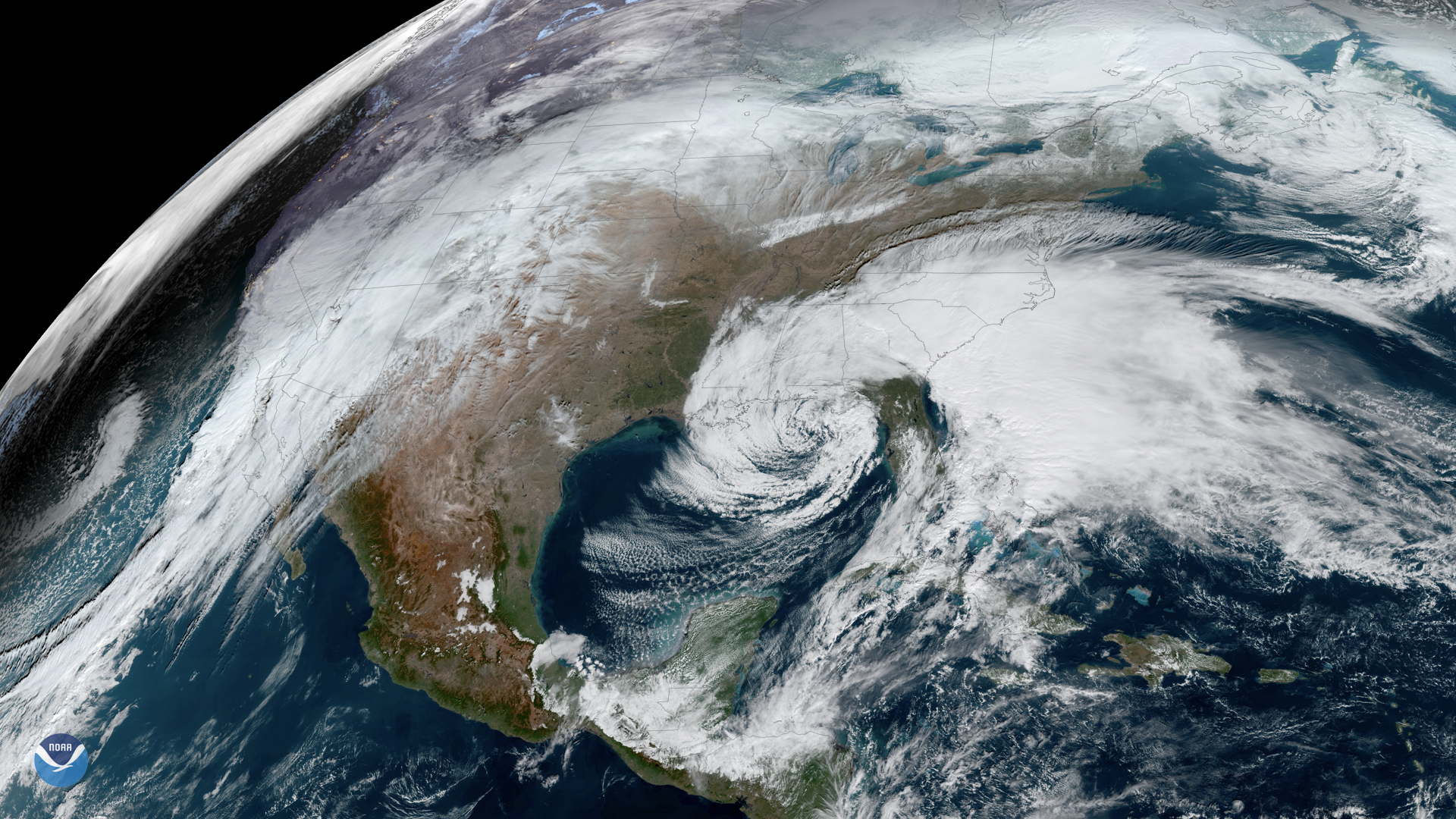
The erosion accelerated between August and September, driven in part by storm swells from Hurricane Genevieve, KPBS reported. On Oct. 1, Carlsbad High students surfing at Tamarack for PE class found the shore covered in rocks instead of sand.
Surfline Chief Forecaster Kevin Wallace called it "the biggest and most consistent surf I've seen for summer in 30 years," according to Fox 5 San Diego.
The city declared a local emergency on Sept. 9 to expedite coastal bluff stabilization along south Carlsbad Boulevard near Las Encinas Creek. That declaration, the fourth local emergency Carlsbad has issued this year, addressed bluff erosion threatening the roadway, according to the city's official release. The Tamarack parking lot is state property. A coastal engineer has been contracted to plan repairs, and state Parks Lt. Sean Homer told the Carlsbad Environmental Sustainability Commission that the work should be finished by the end of December, the Union-Tribune reported.
Carlsbad's beaches rely on sediment dredged from the Agua Hedionda and Batiquitos lagoons for replenishment. Agua Hedionda was last dredged in early 2025, making another round unlikely for two or three more years, according to the Union-Tribune.
Fourth-generation Carlsbad resident Amber Martinez put it plainly at the sustainability commission meeting: "What I am seeing now is alarming, powerful waves are stripping away the shoreline. … People need to know more about what the state and city are doing about it."
Parking lot repairs are expected by year's end. No timeline exists for when Tamarack's sand may return. Residents can report coastal erosion concerns to the city at 760-434-2867.