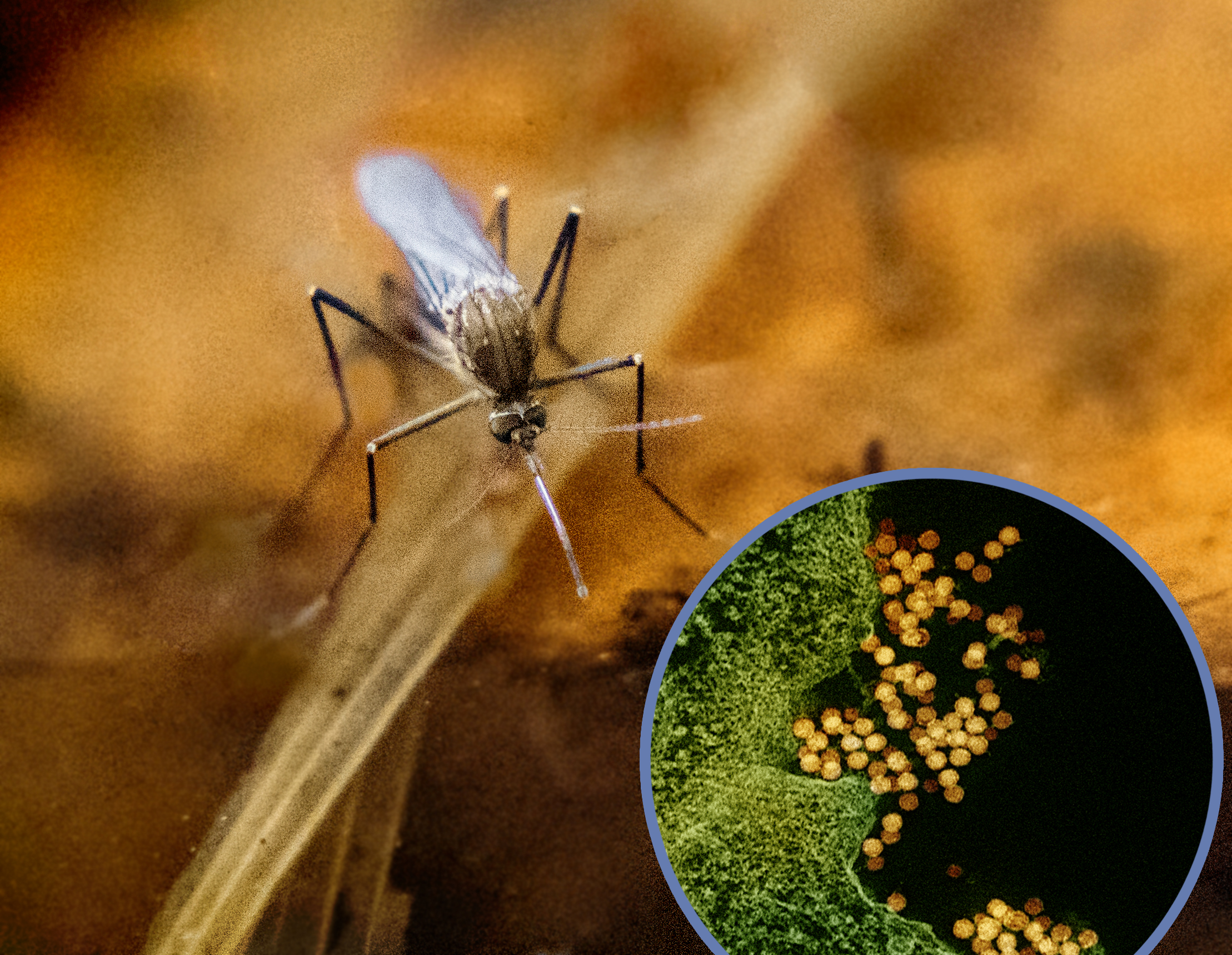
Carlsbad residents face elevated West Nile virus risk as San Diego County reports its highest infection count in a decade.
California has reported more West Nile virus cases in 2026 than in any year since the disease first appeared in the state two decades ago, according to preliminary data from the Centers for Disease Control and Prevention (CDC) cited by Patch. The CDC has tallied 310 cases in California and 1,328 nationwide. The figures are preliminary and can change as health departments report additional cases.
San Diego County had recorded 11 human cases as of Sept. 16, the most local infections since 2016, according to a county press release announcing mosquito treatments in Coronado. Three of those 11 cases were Coronado residents.
No local deaths have been reported this year.
In October 2024, an elderly county resident with a compromised immune system died of West Nile virus encephalitis, according to county health officials.
"We've been seeing increased numbers of birds and mosquitoes testing positive and now with four cases to date in the county that's more than we've had in previous years," Dr. Mark Beatty, assistant medical director of epidemiology for the San Diego County Health and Human Services Department, told Fox 5 San Diego when the county had recorded four cases.
In the same interview, Beatty said the trend may continue into 2027 if winters remain warm.
Warm weather extends mosquito season
A historic Pacific hurricane season and summer storms have created ideal conditions for mosquitoes across Southern California. The Los Angeles Times reported that El Niño-driven humidity has helped mosquitoes survive longer and spread the virus to more people.
July was the warmest month recorded in the contiguous United States since recordkeeping began in 1895, with every state warmer than its 20th-century average, according to NOAA data cited by Patch. Warm weather speeds mosquito development and shortens the time the virus needs to become transmissible inside a mosquito.
The mosquito season does not wind down until the first hard frost, which in California falls between late November and mid-December, according to The Old Farmer's Almanac.
Southern California hit hardest
Orange County confirmed its first West Nile-related deaths of the year in October, according to Patch. The victims were older adults. The county has reported 36 infections, though officials said the actual number is likely higher because most infected people show no symptoms.
"This year has been particularly intense, with detections of the virus in humans, mosquitoes, and birds," Orange County Health Officer Dr. Regina Chinsio-Kwong said, according to Patch.
Los Angeles County had reported 216 infections and 10 deaths as of mid-October, compared with 22 cases and two deaths during all of 2025, according to the Daily Breeze.
No vaccine, no treatment
There is no vaccine or specific medicine to prevent or treat West Nile virus, according to San Diego County's public health page. Most infected people never develop symptoms. About one in five develop fever and flu-like symptoms. About one in 150 develop severe illness affecting the brain or spinal cord, which can be fatal in roughly one out of 10 of those severe cases.
People over 60 and those with conditions such as diabetes, cancer or kidney disease face higher risk, according to the county.
How Carlsbad residents can protect themselves
San Diego County officials recommend a "Prevent, Protect, Report" approach:
- Dump or drain anything holding water, including plant saucers, buckets, old tires and clogged gutters.
- Cover rain barrels or use mosquito dunks.
- Wear long sleeves and pants outdoors.
- Apply EPA-registered repellent containing DEET, picaridin, oil of lemon eucalyptus or IR3535.
- Repair holes in window and door screens.
- Avoid outdoor activity at dawn and dusk, when mosquitoes are most active.
Residents who develop high fever, severe headache, neck stiffness, confusion or muscle weakness after a mosquito bite should seek medical attention promptly, according to county health officials.
To report mosquito problems, unmaintained swimming pools or dead birds such as crows, ravens or hawks, contact San Diego County Vector Control at (858) 694-2888 or [email protected].